Product Details
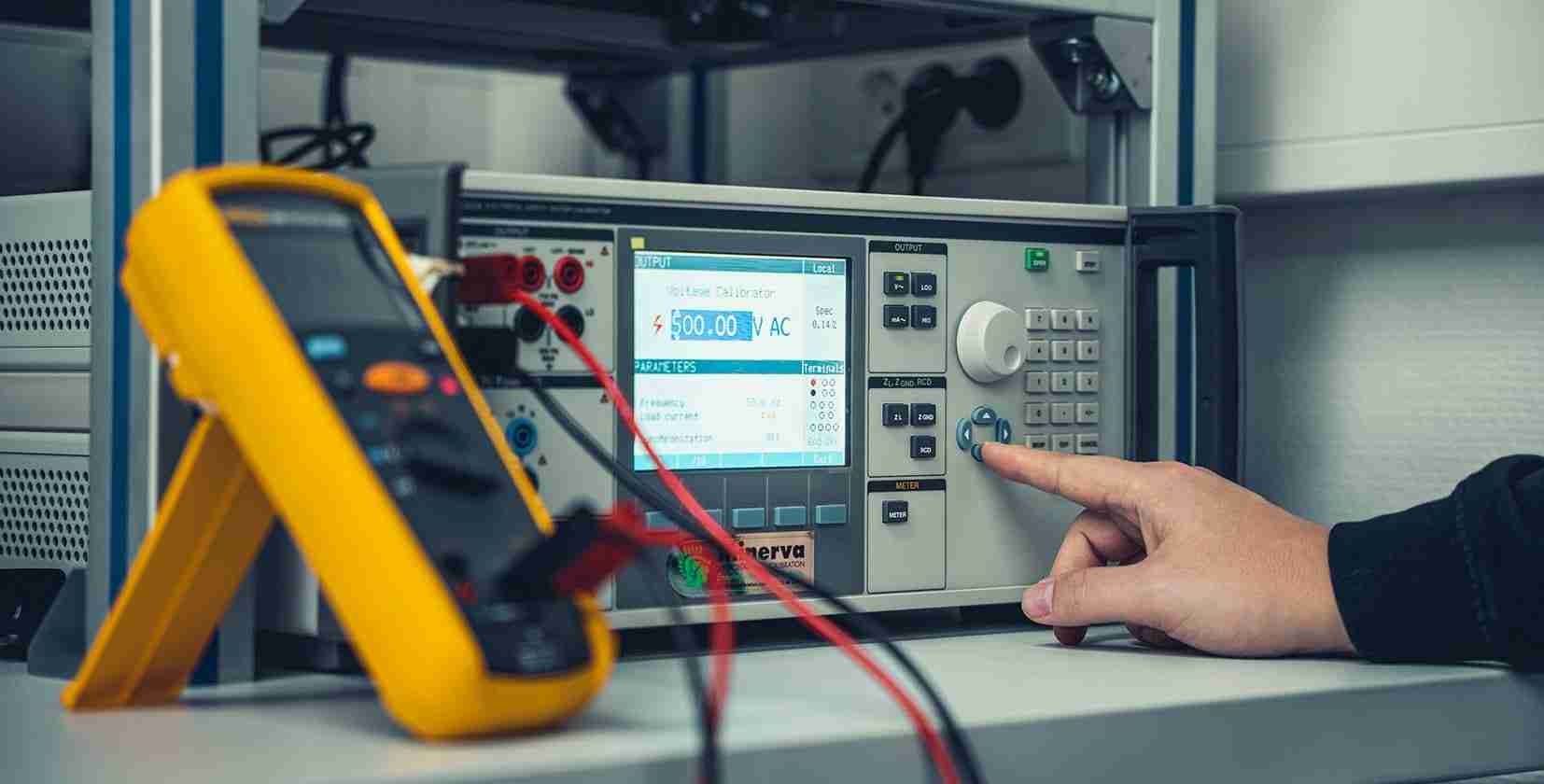
Digital thermometer calibration
Sold By :ETC
Delivery duration : * 8 to 10 Days
Quantity:

Buy premium Digital thermometer calibration from ZillionsBuyer, your trusted global marketplace for high-quality industrial and commercial products. We supply Digital thermometer calibration in Coimbatore, Nashik, Surat, Noida, Lucknow, Kolkata, Vadodara and Mumbai, serving customers across India with reliable quality and competitive prices. Sourced from trusted manufacturers, our Digital thermometer calibration is ideal for industrial, commercial, and infrastructure applications. Choose ZillionsBuyer for dependable products, fast delivery, and exceptional customer support tailored to your business needs.
Return Policy:
Thank you for purchasing our products/services. We value your trust and assure you of the best product/services at all times. As our customer, when you are buying our product or service, you agree to our refund policy. Once you have made a purchase on our platform. View details
Digital Thermometers and Their Calibration
Digital thermometers are precision temperature-sensing devices equipped with constant probes and a digital display. They provide accurate information about temperature, size, and measurement stability. Key features of digital thermometers include endurance, accuracy, statistical functions, self-testing capabilities, and battery life. Proper calibration ensures reliable readings and optimal performance.
Types of Digital Thermometers
Resistance Temperature Detectors (RTDs) – Measure temperature by correlating the resistance of a metal with temperature.
Thermocouples – Widely used for high-temperature measurements, often paired with compatible devices for accurate readings.
Thermistors – Provide precise readings, ideal for low to medium temperature ranges.
Calibration of Digital Thermometers
Calibration ensures that digital thermometers deliver accurate and reliable measurements. The procedure typically involves:
Placing the thermometer probe in a controlled temperature source.
Comparing the readings with a reference standard or specification probe.
Adjusting calibration screws, if available, to match the reference values.
For example, standard procedures include calibrating at freezing and boiling points of water to verify accuracy. Calibration is essential in applications like food storage, brewing, medical use, and industrial measurements to maintain correct temperature control.
Applications and Specific Types
Medical Digital Thermometers – Measure body temperature through oral, ear, or rectal probes.
Digital Pipe Thermometers – Measure temperature of liquids or solids within pipes, providing stable and reliable readings at affordable costs.
Digital Pool Thermometers – Measure water temperature and pH levels; available in standard and advanced digital models.
Quick-Read Thermometers – Used in power plants, shipbuilding, and industrial processes; capable of measuring extreme temperatures, including below -220°C.
Cooking Thermometers – Measure internal food temperatures; designed to withstand steam or scum, with rotatable calibration screws for adjustment before cooking.
Industrial Digital Probe Thermometers
Industrial thermometers are designed for accurate, repeatable measurements in various environments. They may include:
Surface probe thermometers
Immersion probe thermometers
Key calibration steps for industrial probes involve checking responsiveness, verifying readings at boiling or freezing points, and ensuring battery-operated models have functional automatic shutoff. Proper calibration guarantees consistent results, reduces errors, and improves operational efficiency.