
Product Details
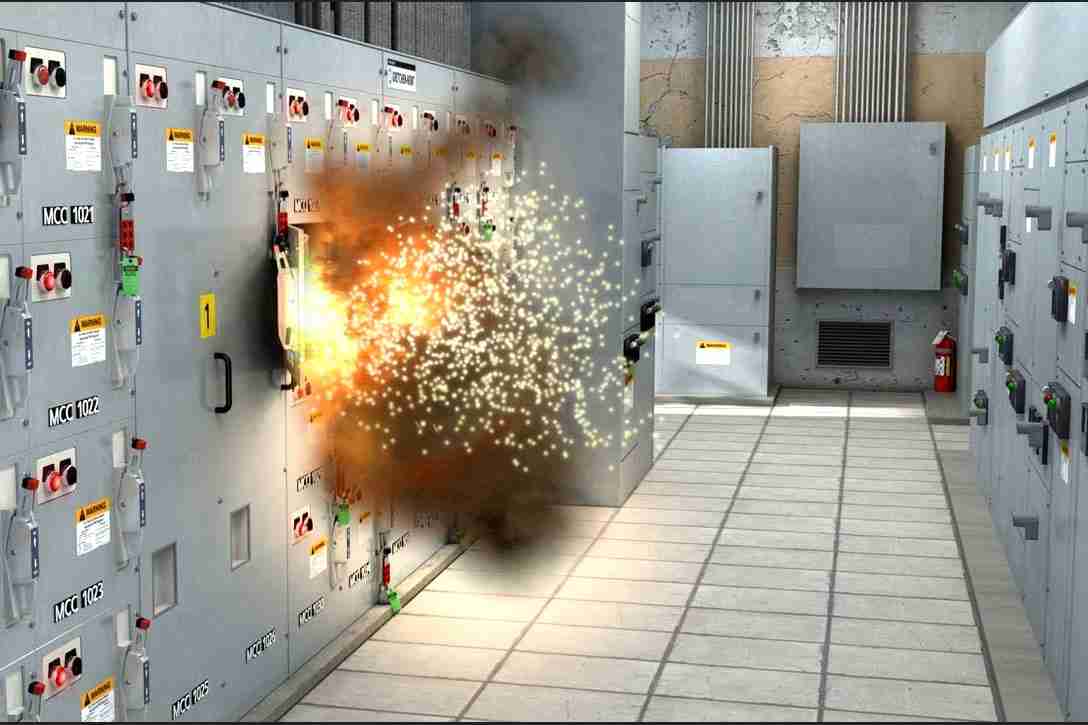
Arc flash study & analysis
Sold By :ETC
Delivery duration : * 8 to 10 Days
Quantity:

Buy premium Arc flash study & analysis from ZillionsBuyer, your trusted global marketplace for high-quality industrial and commercial products. We supply Arc flash study & analysis in Nagpur, Aurangabad, Surat, Lucknow, Nashik, Hyderabad, Noida and Jaipur, serving customers across India with reliable quality and competitive prices. Sourced from trusted manufacturers, our Arc flash study & analysis is ideal for industrial, commercial, and infrastructure applications. Choose ZillionsBuyer for dependable products, fast delivery, and exceptional customer support tailored to your business needs.
Return Policy:
Thank you for purchasing our products/services. We value your trust and assure you of the best product/services at all times. As our customer, when you are buying our product or service, you agree to our refund policy. Once you have made a purchase on our platform. View details
Arc Flash Study and Analysis
ETC is a competent and certified provider of Electrical Arc Flash Study, Analysis, and Certification services across the Middle East, Africa, Asia, and Europe.
The concept of Arc Flash Study and Analysis was first introduced by IEEE about a decade ago to address one of the most critical hazards in electrical systems — the arc flash.
An arc flash is the intense release of light and heat that occurs during an arc fault, when electrical current jumps through an air gap between conductors. This ionization of air releases massive energy, with temperatures reaching up to 35,000°F, which is even hotter than the surface of the sun.
At ETC, we utilize the industry-leading ETAP (Electrical Transient Analysis Program) software to perform precise Arc Flash Studies and Analysis, ensuring compliance with international safety standards.
Objectives of Arc Flash Study
Determine protective clothing and PPE requirements for personnel working on or near energized equipment.
Assess the risk of injury due to exposure to incident energy released during an arc-flash event.
Provide recommendations for minimizing incident energy through optimized protective device settings.
Ensure full compliance with OSHA, NEC, and NFPA 70E standards.
Who Needs Arc Flash Study and Analysis?
Arc flash hazards exist in most commercial, industrial, and institutional electrical systems. OSHA mandates that each system be analyzed and, if hazards are identified, clearly labelled to indicate the arc flash boundary.
This proactive approach helps:
Enhance personnel safety
Minimize shock and burn hazards
Reduce equipment downtime and damage
Working under NFPA and IEEE guidelines, ETC’s experienced power system engineers conduct systematic Arc Flash Hazard Analysis using ETAP software to:
Protect electrical workers from potential arc flash injuries
Determine accurate Flash Hazard Boundaries
Define the correct PPE (Personal Protective Equipment) levels to reduce injury risks
Standards, Codes, and Guidelines Followed
Our arc flash studies comply with the latest international standards, including:
NFPA 70E – Standard for Electrical Safety in the Workplace (2015 Edition)
IEEE Std. 1584-2002 – Guide for Performing Arc Flash Hazard Calculations
IEEE Std. 1584a-2004 (Amendment 1)
OSHA and NEC Safety Requirements