
Product Details
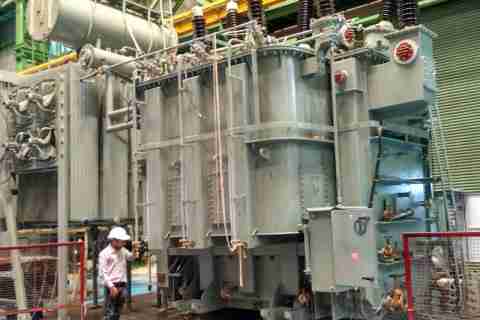
Electrical certification
Sold By :ETC
Delivery duration : * 8 to 10 Days
Quantity:

Buy premium Electrical certification from ZillionsBuyer, your trusted global marketplace for high-quality industrial and commercial products. We supply Electrical certification in Pune, Nagpur, Aurangabad, Chennai, Vadodara, Kolkata, Delhi and Mumbai, serving customers across India with reliable quality and competitive prices. Sourced from trusted manufacturers, our Electrical certification is ideal for industrial, commercial, and infrastructure applications. Choose ZillionsBuyer for dependable products, fast delivery, and exceptional customer support tailored to your business needs.
Return Policy:
Thank you for purchasing our products/services. We value your trust and assure you of the best product/services at all times. As our customer, when you are buying our product or service, you agree to our refund policy. Once you have made a purchase on our platform. View details
Third-Party Electrical Certification Services
Ensuring Safety, Reliability, and Compliance
In every newly installed electrical power system, several critical elements must align to ensure safe, reliable, and compliant operation:
Accurate design and engineering of the power system and its components
Procurement of quality-certified equipment from trusted sources
Installation in compliance with applicable codes and standards, performed by qualified contractors and vendors
Independent third-party verification of all design, installation, and performance parameters
Proper documentation and record keeping for traceability and future reference
Unfortunately, these essential requirements are often overlooked due to vague specifications, cost constraints, unqualified contractors, or a lack of accredited testing and commissioning. These oversights can lead to performance failures, safety hazards, and long-term reliability issues.
To ensure an unbiased and expert evaluation of newly installed electrical systems, Third-Party Electrical Certification becomes essential.
What Is Third-Party Electrical Certification?
Third-party certification involves an independent assessment by an accredited body to confirm that a product, process, or system meets defined standards and safety regulations. It provides an objective validation that the installation is safe, compliant, and fit for service.
Originally introduced to allow non-registered installers or DIY practitioners to have their work verified, third-party inspection has evolved into a globally recognized compliance and quality assurance process in the electrical industry.
Accredited third-party certification bodies are authorized by recognized accreditation agencies and may also act as Notified Bodies under international and regional standards, including IEC, BS 7671, and ISO frameworks.
These independent inspectors not only ensure compliance but also provide:
Official certification marks or declarations of conformity
Periodic inspection and testing of existing installations
Verification of previously installed systems
Recommendations for corrective actions or maintenance
However, third-party certification should not replace initial verification of new installations — it is an additional layer of assurance and compliance verification.
Types of Electrical Certificates
Third-party inspectors in India and internationally issue several types of certificates to validate electrical safety and compliance:
1. Electrical Installation Certificate (EIC) / Domestic Installation Certificate
Issued upon completion of any new electrical installation. It documents:
Type and scope of work undertaken
Compliance with BS 7671 and related standards
Names of the design, installation, and testing personnel
Recommended date for the next inspection
2. Periodic Test, Inspection & Condition Report
Used for existing installations that are due for inspection or lack a current certificate. It identifies deviations from safety regulations under four classifications:
Code 1: Critical non-compliance — immediate danger, requires urgent remedial action
Code 2: Significant issue — requires prompt correction, though not immediately hazardous
Code 3: Observation — further investigation required
Code 4: Compliant or minor deviation — acceptable for continued service
3. Minor Works Certificate
Issued for small-scale works such as adding outlets or lighting circuits (not new circuits). It ensures that even minor modifications adhere to safety and performance standards.
4. Certification of Competency
A vital component in the electrical testing industry, this certification validates that technicians possess:
Comprehensive technical knowledge
Proficiency in safe testing procedures
Ability to interpret test results accurately
Authority to determine serviceability and recommend corrective measures
Competency certification is essential to ensure that testing personnel can perform their duties safely and effectively.
Qualifications of a Third-Party Testing Organization
An independent evaluation by a qualified third-party testing organization is the most reliable way to assess the long-term safety and performance of electrical systems.
Certified third-party testing organizations:
Are independent of equipment manufacturers and installation contractors
Employ trained and certified technicians capable of inspecting, testing, maintaining, and calibrating electrical equipment across all industries
Use calibrated instruments traceable to national or international standards (e.g., NIST)
Follow procedures defined by NETA (International Electrical Testing Association), ensuring reliability, accuracy, and regulatory compliance
Have engineering reports reviewed by registered professional engineers for quality assurance
Such organizations act as objective partners, ensuring that the interests of equipment owners are fully protected.
ETC – Your Trusted Partner for Electrical Certification
ETC is an authorized provider of Electrical Installation Study, Analysis, Inspection, and Certification Services across India and the UAE.
Our third-party certification and inspection services include:
Independent inspection and verification of electrical installations
Compliance testing as per IEC, BS, and IS standards
Transformer and relay performance validation
Periodic maintenance and re-certification
Comprehensive reporting and documentation for regulatory approval
With ETC, clients gain the assurance of an unbiased, competent, and accredited partner dedicated to maintaining the highest standards of electrical safety and performance.